Scrubby's Car Wash
(503) 652-2699
[email protected]
Website


How to keep your car safe while in a car wash
July 20, 2026
Comments are off
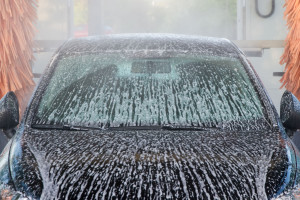 Taking your car through a car wash is one of the quickest and easiest ways to keep it clean and looking sharp. However, despite the convenience, there are a few important precautions you should take to ensure your vehicle stays safe throughout the process. Whether you’re using an automatic drive-through wash, a self-service bay, or a full-service facility, a little preparation can go a long way to protect your car from damage and costly repairs. Here’s your complete guide on how to keep your car safe while in a car wash.
1. Know Your Car Wash Options
First, it’s important to understand the different types of car washes available and their potential risks:
Automatic Drive-Through Washes: These are the conveyor belt-style car washes where your vehicle is pulled through a series of brushes, sprayers, and dryers. While convenient, harsh brushes can sometimes cause scratches or swirl marks, especially if dirt or grit is stuck in them.
Touchless Car Washes: These use high-pressure water jets and detergents without brushes. They reduce the risk of scratches but may not clean as thoroughly as brush washes.
Self-Service Wash Bays: You wash your own car using hoses and brushes at your pace. This gives you control but also demands care to avoid damage.
Hand Wash or Full-Service Washes: Professionals clean your car by hand. This can be safer if done correctly but may be more expensive.
Understanding which type of wash you’re using can help you take the right precautions to protect your car.
2. Inspect Your Vehicle Before Entering
Before driving your car into any car wash, do a quick inspection:
Check for Loose Parts: Look for any loose side mirrors, antennae, or trim that might get damaged or fall off in the wash. Remove or secure these parts if possible.
Close All Windows and Sunroof: This seems obvious but double-check every window, including the sunroof, to avoid water damage inside the car.
Fold In Side Mirrors: Many car washes recommend folding mirrors in to prevent breakage or scratches.
Remove or Secure External Accessories: Items like roof racks, bike racks, or spoilers should be removed or tightly secured. These can get caught in brushes or machinery.
Check for Antenna Type: If your car has a whip or stick antenna, consider removing it before the wash.
Taking a few moments to prep your car can prevent common wash-related damage.
3. Avoid Using Automatic Brushes if Your Car Has Special Paint or Vinyl Wraps
Cars with specialty paint jobs, matte finishes, or vinyl wraps require extra care. Automatic brushes can scratch or dull these surfaces.
In these cases, opt for:
Touchless Washes: They clean without physical contact, preserving delicate finishes.
Hand Washes: Professionals can use gentle techniques tailored to your paint.
If you’re unsure about your car’s finish, consult your dealership or detailing professional before using an automatic brush wash.
4. Clear Away Debris Beforehand
Large debris like sticks, gravel, or ice can damage brushes or scratch your paint if they get trapped during the wash. If your car is dirty, especially with mud or road salt, consider rinsing it off first or using a pre-wash spray.
For self-service washes, always rinse off heavy dirt before using brushes or cloths.
5. Stay in Your Vehicle During Automatic Washes, But Be Prepared
When using a drive-through automatic car wash, keep these tips in mind:
Follow Instructions Closely: Many car washes have signs and lights indicating when to stop, go, or shift into neutral. Following these ensures smooth processing.
Put Your Car in Neutral: Most automatic washes require this so the conveyor belt can move your car forward.
Keep Hands and Feet Inside: Don’t open windows or try to control the car during the wash.
Be Ready to Stop if Something Seems Wrong: If you hear unusual noises or see brushes moving improperly, stay calm and wait for the process to finish.
6. Watch for Potential Damage After the Wash
After your car exits the wash, inspect it carefully:
Check for New Scratches or Dents: Look over the paintwork and trim to spot any damage that might have occurred.
Look for Loose Parts: Make sure mirrors, antennae, and trim are intact.
Verify That Windows and Doors Are Properly Sealed: Ensure no water got inside.
If you notice damage caused by the car wash, take photos and report it immediately to the car wash management. Some facilities offer guarantees or insurance for damages.
7. Maintain Your Car’s Protective Coatings
A car wash is a great opportunity to maintain your vehicle’s protective layers like wax or sealant, but frequent harsh washes can wear these down.
Apply Wax or Sealant Regularly: This adds a protective layer that reduces the chance of scratches and protects paint from chemicals.
Use a Clay Bar Occasionally: For deeper cleaning and smoother paint.
Consider Professional Detailing: A professional detailer can apply ceramic coatings or paint protection film for long-term durability.
8. Avoid Car Washes in Extreme Weather
Using a car wash during freezing temperatures can cause water to freeze in small crevices, potentially damaging seals or locks. Avoid washing your car when it’s below freezing or during icy conditions unless you’re sure the facility is equipped to handle cold weather safely.
9. Know When to Skip the Car Wash
If your car is extremely dirty, covered in thick mud, or has caked-on ice or snow, it’s better to skip the automated wash. These conditions can:
Damage brushes or machinery
Leave scratches from abrasive dirt
Cause malfunctions in the wash equipment
In these cases, a manual wash or pressure rinse before entering an automatic wash is the safer bet.
Final Thoughts
Car washes are a convenient way to keep your vehicle clean, but without the proper precautions, you risk costly damage. By choosing the right type of wash, preparing your car, inspecting for damage, and maintaining protective coatings, you can enjoy a spotless car without the worry. The next time you pull into your local car wash, keep these tips in mind and drive out looking fresh and flawless!
Popular Posts




©2025 Social5 (In association with the Western Carwash Association)