Scrubby's Car Wash
(503) 652-2699
[email protected]
Website


Driving Safely During Deer Season: Tips to Avoid Collisions and Protect Wildlife
December 01, 2025
Comments are off
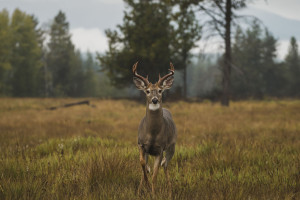 Deer season brings a unique set of challenges for drivers, especially in rural and suburban areas where deer are more prevalent. These animals are more active during certain times of the year, often leading to an increase in vehicle-deer collisions. Ensuring your safety and protecting wildlife requires a combination of awareness, preparation, and vigilance. Here’s a guide to help you navigate deer season safely.
Why Deer Season Poses a Risk
Deer are most active during dawn and dusk, times when visibility is often reduced. Their natural behavior can make them unpredictable and prone to sudden crossings. Additionally, deer tend to travel in groups, meaning if you see one, there may be more nearby. These factors contribute to the heightened risk of collisions, which can result in serious damage to your vehicle and, more importantly, injuries to you and your passengers.
Essential Tips for Safe Driving During Deer Season
1. Stay Vigilant at High-Risk Times
Deer are most active in the early morning and late evening. Be especially cautious during these times, and reduce your speed to increase your reaction time. Pay close attention to deer crossing signs, which are placed in areas where deer activity is known to be high.
2. Use Your High Beams Wisely
When driving at night, use your high beams whenever possible to increase visibility. High beams can help you spot deer from a greater distance. However, be mindful of oncoming traffic and switch to low beams to avoid blinding other drivers.
3. Scan the Roadside
Continuously scan the roadside for deer, especially in areas where the vegetation is thick or where you see warning signs. Look for eye reflections or movement in the distance. If you see a deer approaching the road, be prepared to stop or take evasive action if necessary.
4. Avoid Sudden Maneuvers
If a collision with a deer seems imminent, avoid swerving abruptly. Swerving can cause you to lose control of your vehicle and potentially crash into another object or vehicle. Instead, try to brake firmly and stay in your lane to minimize the impact.
5. Use Your Horn
If you spot a deer on the road, using your horn can help scare the animal away. A quick, loud blast might prompt the deer to retreat back into the woods. However, use your horn judiciously to avoid startling other drivers.
6. Check for Deer on the Road
As you drive, especially on rural or wooded roads, be aware of any deer that may be on or near the road. If you notice one deer, be cautious of others that might be following. Deer often travel in groups, so a single sighting might indicate more deer in the vicinity.
7. Reduce Speed in High-Risk Areas
In areas known for high deer activity, reduce your speed even if you don’t immediately see any deer. Slower speeds give you more time to react if a deer suddenly appears. It also reduces the severity of an impact if a collision does occur.
8. Wear Your Seatbelt
Always wear your seatbelt. In the event of a collision, seatbelts are crucial for protecting you and your passengers from serious injuries. They can significantly reduce the impact of a collision and save lives.
Why It’s Important to Stay Safe
1. Protecting Yourself and Your Passengers
The primary concern during deer season is your safety and that of your passengers. Collisions with deer can lead to severe injuries, particularly if the vehicle swerves or crashes into other objects. Staying vigilant and following safety tips can help prevent these accidents.
2. Preventing Vehicle Damage
Deer collisions can cause significant damage to your vehicle, leading to costly repairs and insurance claims. By practicing safe driving habits, you reduce the risk of damaging your vehicle and avoid the associated expenses.
3. Protecting Wildlife
While deer are often seen as a nuisance during the season, they are a vital part of the ecosystem. Collisions with vehicles can be fatal for deer, and preserving wildlife populations is important for ecological balance. Safe driving practices help protect these animals and reduce the number of fatal collisions.
4. Maintaining Road Safety
Collisions with deer can create dangerous situations on the road, potentially leading to further accidents. By avoiding deer collisions, you contribute to overall road safety and help prevent accidents that could affect other drivers.
Driving safely during deer season requires heightened awareness and proactive measures. By staying vigilant, using your vehicle’s features wisely, and adhering to the tips outlined above, you can significantly reduce the risk of deer-related accidents. Prioritizing safety not only protects you and your passengers but also helps preserve wildlife and maintain road safety for everyone. Drive carefully and stay safe this deer season!
Popular Posts



©2025 Social5 (In association with the Western Carwash Association)