Scrubby's Car Wash
(503) 652-2699
[email protected]
Website


How to Stay Safe on Winter Roads: Essential Tips for Drivers
November 17, 2026
Comments are off
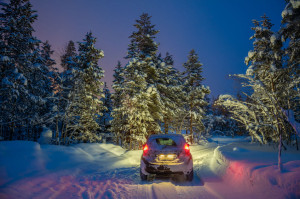 Winter can be a magical season filled with snow-covered landscapes, holiday cheer, and the coziness of a warm fireplace. However, the season also brings challenging driving conditions that can turn a simple journey into a hazardous experience. From snow and ice to reduced visibility, winter road safety is crucial for preventing accidents and ensuring a safe trip. Here’s how to prepare and navigate winter roads like a pro.
1. Prepare Your Vehicle for Winter Driving
Before the winter weather hits, take the time to get your vehicle ready for the season. Proper maintenance is your first line of defense against the risks associated with icy and snowy roads. Here are the key steps you should take:
- Winter Tires Are a Must: Regular tires lose their grip on cold, icy roads. Winter tires are designed with special rubber compounds that remain flexible even in low temperatures, providing better traction. If you live in an area prone to heavy snowfall or freezing conditions, investing in a set of winter tires can make a significant difference in your safety.
- Check Your Battery: Cold weather can drain your car battery faster. Have your battery tested before winter to ensure it’s in good condition. If your battery is older than three years, it might be time for a replacement.
- Inspect Your Wiper Blades and Fluid: Snow and freezing rain can reduce your visibility. Ensure your wiper blades are in good shape and replace them if needed. Use winter windshield washer fluid, which has a lower freezing point and helps prevent ice buildup on your windshield.
- Top Off Fluids and Check Antifreeze Levels: Make sure your oil, coolant, and antifreeze levels are adequate. Low levels can lead to engine problems, especially in freezing temperatures.
- Pack a Winter Emergency Kit: Include essentials like a flashlight, blanket, ice scraper, snow brush, first-aid kit, extra warm clothing, snacks, and bottled water. In case you get stranded, these items could keep you safe while you wait for help.
2. Adjust Your Driving Habits
Even the most experienced drivers need to adapt their habits to the conditions of winter roads. Driving in snow, ice, or sleet is significantly different from driving on dry pavement. Follow these tips to help you stay safe:
- Slow Down: Speeding is one of the biggest causes of winter accidents. Even if the road looks clear, there could be black ice, which is nearly invisible and extremely slippery. Slow down, especially when approaching intersections, curves, and bridges.
- Increase Your Following Distance: It takes longer to stop on icy roads. In dry conditions, the recommended following distance is usually three to four seconds. In winter, double or even triple that distance to give yourself ample time to stop if the vehicle in front of you suddenly brakes.
- Accelerate and Decelerate Gently: Sudden movements can cause your vehicle to lose traction. Apply the gas slowly to maintain control and avoid skidding. The same goes for braking; brake gently and gradually to prevent your wheels from locking up.
- Avoid Cruise Control: Using cruise control on wet, icy, or snowy roads can be dangerous because it reduces your ability to react quickly. It’s best to maintain full control of your speed manually in winter conditions.
3. Stay Aware of Road Conditions
Understanding the weather and road conditions before heading out can help you make safer driving decisions. Check the forecast and traffic updates regularly during the winter months, and be prepared to change your plans if conditions look unfavorable.
- Watch for Black Ice: Black ice is a thin layer of ice that forms on the road and is often hard to see. It commonly forms on bridges, overpasses, and shaded areas of the road. If you suspect black ice, slow down and drive cautiously, keeping your steering smooth and steady.
- Avoid Sudden Stops and Turns: Abrupt stops or sharp turns can cause your vehicle to skid. If you need to stop quickly, try pumping the brakes rather than slamming them. If you do start to skid, steer in the direction you want the vehicle to go, and avoid over-correcting.
- Be Cautious on Hills: When driving uphill, increase your speed slightly before you start climbing so you can maintain momentum without heavy acceleration. When going downhill, reduce your speed and use lower gears to help control your descent.
4. Keep Your Visibility Clear
Reduced visibility is a significant hazard during winter driving. Whether it’s due to snow, fog, or ice on your windshield, you need to be able to see clearly to navigate safely.
- Defrost Your Windows Completely: Before hitting the road, ensure all your windows are fully defrosted. Scrape off any ice and snow, and let your car’s defroster run until the windshield is clear. Never drive with just a small patch of cleared window; it’s a recipe for disaster.
- Use Your Headlights Wisely: In snowy or foggy conditions, use your low-beam headlights even during the daytime. High beams can reflect off snowflakes, making it harder to see. The goal is to increase your visibility to other drivers while avoiding glare.
- Keep Your Windshield and Mirrors Clean: Ice and snow buildup can reduce your ability to see what’s around you. Keep your windshield, side mirrors, and rearview mirror clean for maximum visibility.
5. Know What to Do in Case of an Emergency
Even with the best preparation, emergencies can still happen. Knowing what to do if you get stuck or involved in an accident can make all the difference.
- If You Get Stuck: Stay with your vehicle. It provides shelter and makes it easier for emergency services to find you. Avoid overexertion by trying to push or dig out your car. Instead, stay warm and wait for help.
- Use Your Hazard Lights: If you’re stranded or need to stop unexpectedly, turn on your hazard lights to alert other drivers. This is especially important in low-visibility conditions.
- Don’t Overreact in a Skid: If your car begins to skid, remain calm and steer in the direction you want the front wheels to go. Avoid slamming on the brakes, as this can worsen the skid.
Winter road safety starts with preparation and extends to cautious, attentive driving. By taking the necessary precautions, you can reduce the risk of accidents and keep yourself and others safe on the road. Remember, no journey is worth risking your life or the lives of others. If conditions are too severe, don’t hesitate to stay home or delay your trip. Drive safe, and enjoy the winter season responsibly!
Stay warm, stay safe, and happy driving!
Popular Posts



©2026 Social5 (In association with the Western Carwash Association)