Scrubby's Car Wash
(503) 652-2699
[email protected]
Website


What’s on the roof?
March 02, 2026
Comments are off
 When it comes to the phrase “environmentally friendly” in relation to the automobile industry, topics like emissions and fuel economy probably come to mind first. Then you might move on to things like mountains of tires and miles of roads with millions of automobiles. These are important things to think about, and automobile makers are aware of them.
In fact, all major automobile companies have extensive sustainability initiatives that cover everything from the expected – reducing emissions from cars and the plants where they are made – to the unexpected – creating spaces that give back to the environment.
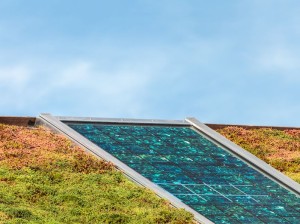
Take for example the Dearborn Truck Plant final assembly building in Dearborn, Michigan. When you look at the top of this building, instead of what you’d expect to see on the roof, you’ll find 10.4 acres of vegetation. That’s because its rooftop area is alive. According to Michigan State University’s Green Roof Research, a green, or living, roof is one that has plants growing on it. There are two types of green roof, intensive and extensive. An intensive living roof is more like a garden or park setting while an extensive living roof features drought-tolerant plants and is designed for practical purposes.
According to The Henry Ford, the extensive living roof at the Dearborn plant is covered with Sedum, a succulent that is drought tolerant and requires little maintenance. This roof is expected to last longer than a conventional roof and will provide some significant environmental benefits. These include: reducing energy costs, improving water quality, improving air quality and providing habitat for birds and insects.
The automotive industry still has a lot of work to do to help the environment and help people get where they need to go. Perhaps more companies will incorporate unexpected solutions in the future.
Popular Posts




©2025 Social5 (In association with the Western Carwash Association)