Scrubby's Car Wash
(503) 652-2699
[email protected]
Website


Staying Safe on the Roads in Winter: Tips for Every Driver
October 05, 2026
Comments are off
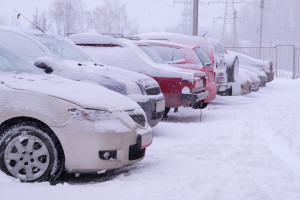 Winter driving can be a challenge, whether your state sees heavy snow, light frost, or simply shorter daylight hours. Cold weather brings unique hazards, from icy patches and reduced visibility to more frequent vehicle breakdowns. Regardless of where you live, adopting a proactive approach to winter road safety can help you protect yourself, your passengers, and others on the road.
1. Prepare Your Vehicle
Even if snow isn’t common in your area, cold temperatures can affect your vehicle’s performance. Start with a thorough winter inspection:
Check your tires: Ensure they have adequate tread depth for traction and maintain proper inflation, as cold weather can reduce tire pressure. In snowy or icy regions, consider winter tires or all-season tires rated for low temperatures.
Inspect brakes and lights: Make sure your brake pads are in good condition and all lights, headlights, brake lights, and turn signals, are functioning. Shorter winter days mean driving in low-light conditions is common.
Test your battery: Cold weather can reduce a battery’s efficiency. If your battery is over three years old, have it tested to prevent unexpected failure.
Maintain fluids: Keep your windshield washer fluid topped up with a winter formula, and ensure antifreeze levels are sufficient. Check oil viscosity as well; some engines perform better with winter-grade oils.
2. Adjust Your Driving for Winter Conditions
Driving safely in winter often means slowing down and giving yourself more time to react:
Reduce speed: Even small amounts of ice or wet leaves can make roads slippery. Driving slightly below the posted speed limit can prevent skidding.
Increase following distance: A general rule is to double your normal following distance in cold or wet conditions. This gives you more time to stop safely.
Avoid sudden maneuvers: Abrupt steering, braking, or accelerating increases the risk of losing control, especially on slick surfaces. Practice gentle, gradual movements.
Be cautious on bridges and overpasses: These areas freeze faster than standard roadways. Always treat them as potentially hazardous, even if other roads seem fine.
3. Prepare for Emergencies
Winter weather is unpredictable. A minor traffic delay can quickly become dangerous if you’re unprepared:
Keep an emergency kit: Include items like blankets, a flashlight, a first-aid kit, water, snacks, a small shovel, jumper cables, and a phone charger.
Plan your route: Check weather and traffic updates before leaving. Avoid areas known for poor maintenance or heavy ice buildup.
Have a backup plan: If conditions deteriorate, know alternative routes or safe places to wait out the weather. Don’t hesitate to delay travel if roads are unsafe.
4. Mind Visibility
Reduced daylight, fog, and precipitation make visibility a top concern in winter:
Clean your vehicle: Keep windows, mirrors, and headlights clear of ice and snow. Dirty windshields or fogged-up mirrors can dramatically reduce your ability to see hazards.
Use headlights wisely: Even during daylight, using low beams in snowy or rainy conditions helps other drivers see you. Avoid high beams in heavy snow or fog, as the light reflects back and reduces visibility.
Watch for pedestrians and cyclists: Winter clothing can make pedestrians harder to see, and slippery sidewalks may force them closer to the road.
5. Know How to Handle Slips and Skids
Even experienced drivers can encounter ice or black ice. Knowing how to respond can prevent accidents:
If you start to skid: Stay calm and steer gently in the direction you want the car to go. Avoid slamming on the brakes, which can worsen the skid.
Use anti-lock brakes (ABS) correctly: Press the brake pedal firmly and allow the system to modulate braking. Pumping the brakes is unnecessary and can reduce stopping power.
Avoid cruise control: Using cruise control on slippery surfaces can reduce your ability to react quickly to changes in traction.
6. Adapt Your Mindset
Finally, winter driving requires a mental shift. Roads are less predictable, and accidents increase when drivers are overconfident or in a rush. Patience, vigilance, and preparation are your best defenses.
By taking the time to inspect your vehicle, adjust your driving habits, prepare for emergencies, and remain alert, you can reduce the risks that winter roads present, no matter where you live. Even in states with mild winters, frost, rain, or early nightfall can create hazards that demand attention. A cautious, proactive approach ensures that you reach your destination safely, every time.
Winter driving doesn’t have to be dangerous. With careful preparation and a mindful approach behind the wheel, you can navigate cold-weather roads confidently, whether you’re facing snowy highways or simply darker, slick streets.
Popular Posts



©2025 Social5 (In association with the Western Carwash Association)